A play telling the story of one man’s battle with obesity, MANikin, will return to the stage in August – with a chance for MAN v FAT members to enjoy discounted tickets!
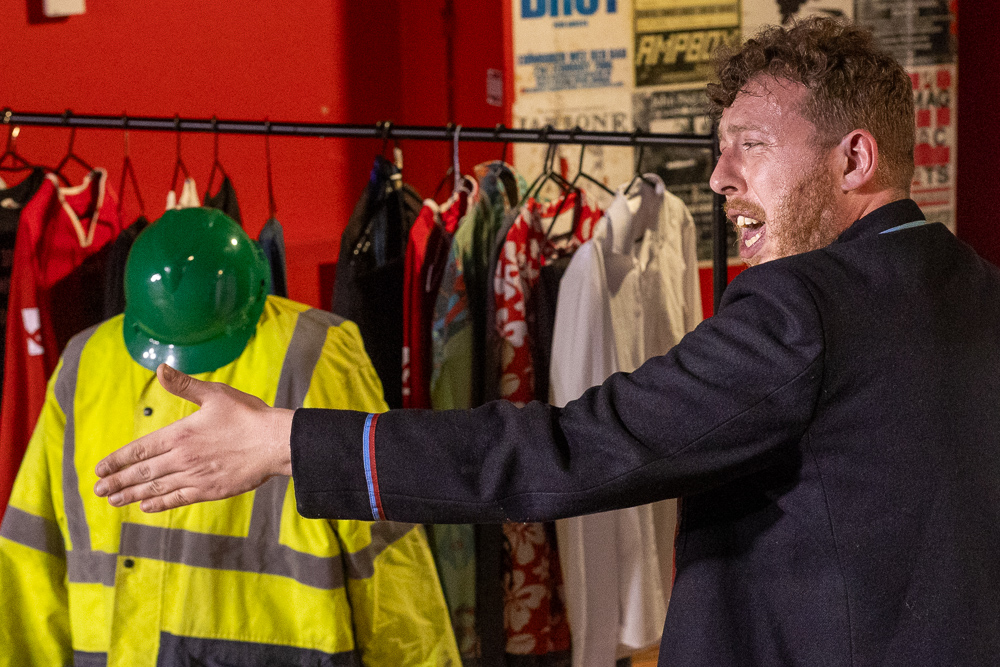
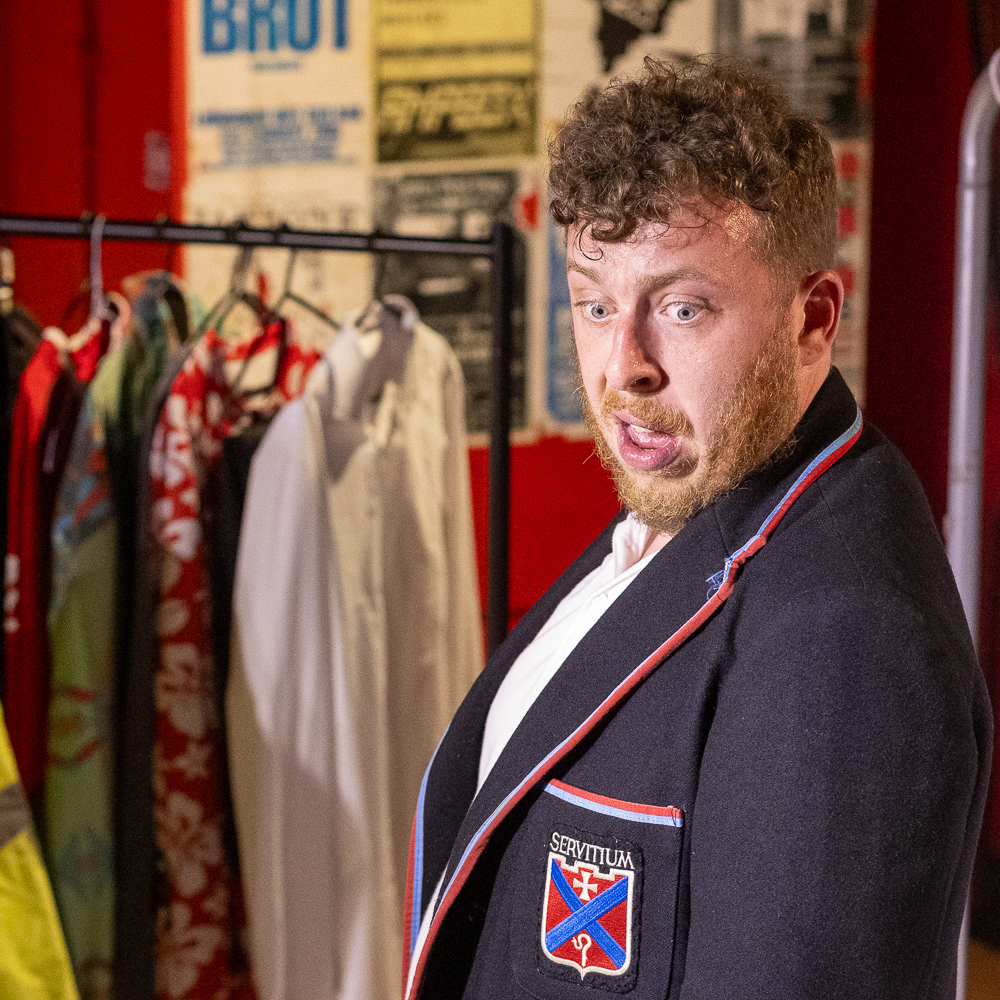
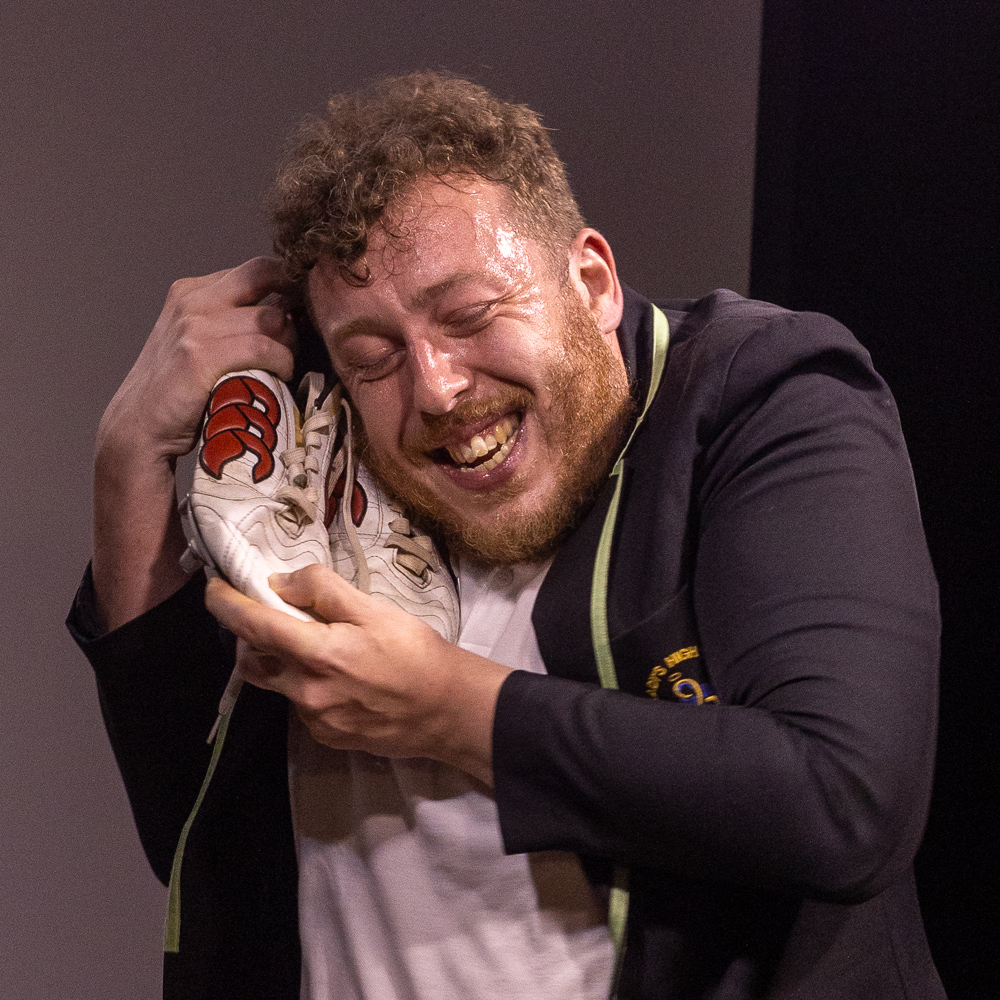
Set in the small town of Ellon and delivered with classic Scottish humour, Fraser Patterson wrestles with his mind and body in his struggle with playing the bit-part-role of The Big Guy.
Brutal playground initiation evolves into real-world tribulation in a society riddled with stigma and prejudice.
MANikin is an unflinching portrait of a man’s struggle with obesity and body image in the modern day, raising awareness about the issues and impact surrounding male obesity, body image and mental health, offering audiences a unique and compelling perspective on a topic that affects millions worldwide but is often overlooked.
Details of the play’s performances
Fri 7th Aug – Sat 15th August (Excl. Tues 11th )
6pm (Doors 5:30pm / Duration: 60 Minutes)
Hibernian Supporters Club – 11 Sunnyside, EH7 5RA
Ticket Link: https://manikin.eventbrite.co.uk
Promo code: MANVSFAT
We caught up with Co-Artistic Director of Saltire Sky and Writer of MANikin, Nathan Scott-Dunn to find out more.
1) Tell us a bit more about the play and how it came to be?
MANikin started from conversations within the company about obesity, masculinity and the experiences that many of us, or people close to us, had lived through. We wanted to create something honest that explored those issues through a Scottish working-class lens, while still being entertaining, full of humour and heart.
The development process involved workshops, Reading & Development sessions and conversations with organisations including Obesity UK before later working alongside the British Obesity Society. Creating a safe and supportive environment in the room was incredibly important to us because the material is personal and sensitive for everyone involved.
We didn’t want to simply retell experiences or create something rooted in judgement. The aim was to approach the subject with curiosity, empathy and honesty, allowing audiences to reflect on their own attitudes and experiences.
We also wanted the show to act as a conversation starter, particularly around men’s mental health and body image, which are subjects many people still struggle to speak openly about.
From that came a one-man play about growing up bigger in Scotland, and about trying to find self-worth, connection and hope in a world that can often feel isolating. Alongside the performance, we also provide audiences with access to support and aftercare resources through the organisations involved in the project.
2) How big an issue do you feel the topics in the play are for men currently?
The fact that we are still having these conversations shows just how important these issues remain.
While topics such as mental health, body image and obesity are receiving more attention than they did a decade ago, many men still struggle to speak openly about their experiences.
As artists, we feel a responsibility to challenge stigma and give space to voices that are often overlooked. The themes in MANikin affect far more people than we sometimes realise, particularly when you consider the overlap between body image, poverty, mental health and social isolation.
Social media has amplified some of these pressures. Young men are increasingly exposed to unrealistic expectations around appearance, fitness and success, while trends such as “looksmaxxing” can reinforce the idea that self worth is tied to how you look.
At the same time, conversations around weight loss medications have highlighted how people living with obesity can face judgement regardless of the choices they make in their health journey.
What interested us when creating MANikin was exploring the human experience behind the statistics. Obesity is rarely just about food or exercise. It is often connected to confidence, mental health, family circumstances, poverty and opportunity. Those are the conversations we felt needed to be explored through the play.
3) How has the play been received by the men who have seen it and do you know of anyone that it’s provided a positive outcome for?
The response from men has been incredibly moving. One of the most rewarding aspects of the production has been the conversations that happen after the performance.
Many audience members have shared deeply personal experiences relating to body image, bullying, mental health and their relationship with food, often telling us that they had never spoken about these things publicly before.
What has been particularly striking is that the play has resonated beyond the people we initially expected. We’ve heard from fathers, sons and partners, but also from mothers who recognised elements of Fraser’s story in the experiences of their own children.
I think the reason the play connects is because Fraser is an everyman. His story is specific, but the feelings of shame, isolation, frustration and hope are universal. Audiences recognise themselves, or someone they love, in him.
The most positive outcome has simply been creating space for conversations that might not otherwise happen. Through our partnership with obesity organisations, audiences also leave with information and support resources, helping to ensure that the conversation continues long after the performance has ended.
4) How big a role can sport and the power of community connection play in solving many of the issues facing men today?
For me personally, sport and fitness completely changed my life. I went from 113kg to 70kg through becoming active, going to the gym and building healthier routines. But more importantly than the physical transformation, it changed my mindset and confidence. It opened my eyes to fitness in a completely different way.
One of the biggest things I realised is that movement, sport and community can give people purpose, routine and connection, especially men who may struggle to talk openly about how they’re feeling. Often the hardest part is simply finding an environment where you feel welcome and not judged.
That’s why organisations and community groups that create safe, supportive spaces are so important. They allow people to begin or sustain a health journey without shame. Confidence grows from feeling included and encouraged.
At the same time, I think access to health and fitness information should be far more open and accessible to everyone. For many people, especially working-class communities, it can still feel intimidating, expensive or confusing to know where to begin.
Community-led spaces and conversations can help remove some of those barriers and remind people that improving your health is not about perfection, it’s about support, consistency and connection.
5) Men’s health is rising to the top of the news agenda on the back of the English government’s Men’s Health Strategy. If you could prioritise three areas of men’s health to be tackled, what would they be and why?
The first would be prevention through education. We need to move beyond quick fixes and help people understand health in a more holistic way from an early age. Better education around nutrition, exercise, mental wellbeing and body image would allow people to make informed decisions before problems become more serious.
The second would be mental health. While progress has been made, too many men still feel unable to ask for help or talk openly about what they are experiencing. We need to create more spaces where these conversations can happen without shame or judgement. You cannot address a problem that people feel unable to speak about.
The third would be access to fitness and physical activity. My own health journey showed me how transformative movement can be for both physical and mental wellbeing. However, access remains a challenge for many people due to cost, confidence or lack of local opportunities. Community initiatives such as MAN v FAT demonstrate what can happen when people are given support, encouragement and a sense of belonging.
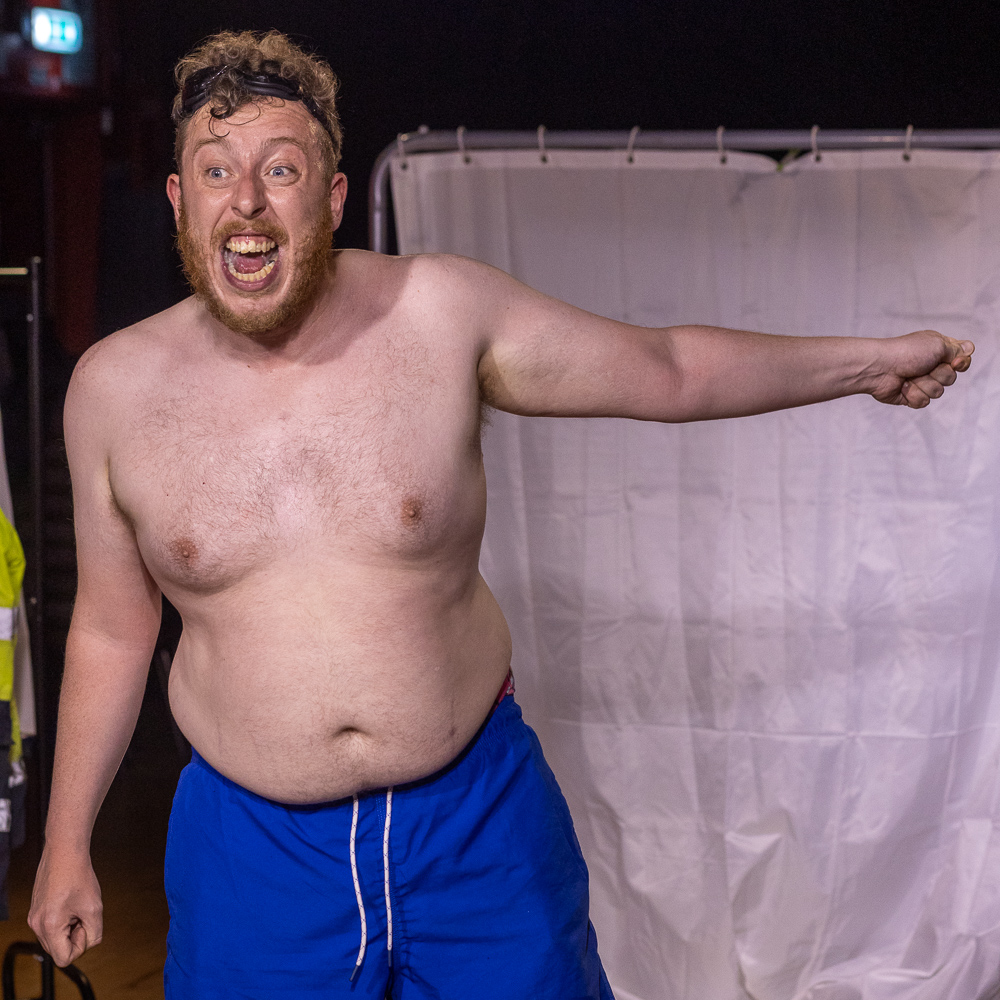
MANikin was nominated at the Scottish Theatre Awards 2023 for Best Scottish Production and the Bright Spark Award for Emerging Talent alongside runner-up at that years Sit-Up Awards for social impact and won Best Drama from social media team, The Derek Awards in its 2024 return season.
Community bonds have been ever-present with MANikin; collaborating with Thrive Arts to perform and speak at events regarding system change and the role of the arts alongside working with representatives from NHS Lothian, Edinburgh Health and Social Care Partnership, EVOC and speaking at the Mental Health Forum bringing the issues Saltire Sky productions tackle to light.