

A recurring theme that we hear from guys joining MAN v FAT is the opportunity to build a new community, meet new people and kickstart social lives.
The issues of the male friendship recession has been a key news topic over the last couple of years and, according to a recent report by The Great Friendship Project, it’s a problem that’s not going away.
The report contains a host of eye opening facts around how making meaningful friendships is much harder – and how that is bleeding into many other areas of life.
Those facts include:-
- Around 68% of 18 to 30-year-olds in the UK have reduced their participation in nightlife because of the economic climate, while 61% go out less than they did a year ago.
- Also, 38% of UK workers aged 16 to 24 feel lonely or socially isolated because of their working circumstances, compared with 24% of employees overall.
- 87% of 18 to 30-year-olds believe their generation has fewer opportunities to connect in person, build confidence and be creative than previous generations.
- 48% of UK 18 to 29-year-olds say social media makes them feel lonelier, compared with 30% who feel it helps them connect.
- Under-35s reporting having just one or no close friends tripled over a decade, jumping from 7% to 22%.
On the back of the recent report, we caught up with David Gradon, Founder of The Great Friendship Project to find out more.
Can you tell us a little bit about the Great Friendship project and the work that you’re currently doing, please?
We started The Great Friendship Project about five years ago, on the back of my own experience of trying to build connection in the modern world.
At the end of COVID, I started to notice that a lot of the friendships I’d built through school, university and even my early workplaces had begun to drift away.
Research estimates that you need around 200 hours to build a close friendship, but it’s also been suggested that every week you don’t spend time with a friend, that friendship can diminish by about 1%.
That speaks to the fact that you need regular contact and quality time to sustain any connection.
For me, that was very much the case. Over the two years of the pandemic, a lot of the friendships I’d built had started to drift. Some friends began to settle down and have families, some moved out of the city, and others just naturally became less close over time.
When I came out of COVID, I started looking around and counting the number of people I felt I could genuinely turn to. I began to recognise that my support network had actually thinned quite significantly.
But what was more shocking was how difficult it was to take that next step and build new friendships.
I looked at some of the standard routes, such as singles events and dating apps, which seemed to be the main ways people in my age group were connecting.
Run clubs and sports groups were also there, but within about a month of trying to get involved with one or two of them, I ended up getting injured. So I suddenly had to cross all of the sport and exercise opportunities off my list of ways to meet people.
But, more pertinently, I realised that I was trying to find friendship in spaces that could help create it, but weren’t intentionally designed for it.
There was always an element of second-guessing: who was just there to run, who was there for dating, and who was genuinely there to build friendships?
So, rather than leaving it to guesswork, I decided to create a dedicated space where I knew everyone was there for the same reason I was: to build lasting friendships.
It started as a grassroots initiative to help people build friendships in London, but it quickly grew into something much bigger.
Since then, we’ve branched into policy work. We’ve run campaigns that have reached 40 million people across the UK, and we deliver a range of programmes designed to foster connection and friendship – particularly among groups we know are at greater risk of loneliness.
Above all, today we want to champion friendship.
I think that, over the past 10 or 15 years – potentially even longer – we’ve increasingly lost sight of just how important friendship is.
We know from research that friendship and social connection are among the biggest predictors of mental wellbeing. They’re also among the most important safeguards we have during times of crisis.
We know that the impact of strong social relationships on health and happiness has been valued as comparable to around $150,000 of additional income each year. And yet, we rarely treat friendship with the same importance as romantic relationships, family or work.
We often see that when finances are tight or other challenges arise, friendship is one of the first things to fall down the priority list.
For us, that’s a worrying sign. It’s something we believe urgently needs to be addressed – not only because of the impact on our mental health, but because the physical and social consequences can also be enormous.
How big an issue do you think that friendship recession is for men in particular?
I think we’ve seen the friendship recession affect both genders, but in some ways, men are experiencing it more acutely.
The amount of time people spend with friends has almost halved over the last 10 years, and men are now spending significantly less time with their friends than women are.
Today, 27% of men in the UK say they have no close friends – or no friends at all. And I think digital behaviours are reinforcing that trend.
Gaming has become one of the main ways many young men socialise, and we’re also starting to see men increasingly turning to AI for emotional support. At the same time, male stereotypes can make it even more difficult to build close friendships.
There’s still this pressure on men to appear strong, self-reliant and stoic, and that can stop them from moving beyond surface-level conversations and developing the trust and emotional closeness that meaningful friendships require.
As a result, men don’t just feel less connected – they can also feel less able to reach out when they’re struggling.
We often tell men that they need to reach out and open up. But it’s no good saying that if they aren’t building the close relationships that allow them to feel safe enough to do so in the first place.
So, the deeper the friendship recession becomes, the more it risks contributing to the mental health crisis we’re seeing among young men.
But loneliness also has a much wider social impact. When people feel disconnected from those around them, it can affect how they relate to other people, how much they trust institutions and whether they feel any real sense of belonging within their community.
It can lead people to withdraw from community life, but it can also leave them more vulnerable to polarising narratives and online spaces that offer them a sense of identity and belonging – sometimes in unhealthy or harmful ways.
So, while the friendship recession clearly affects people’s mental health, it can also change how they participate in society, how they behave politically and how they engage with their communities and neighbourhoods. That wider social impact is much harder to measure, but I think we’re already beginning to see the consequences.
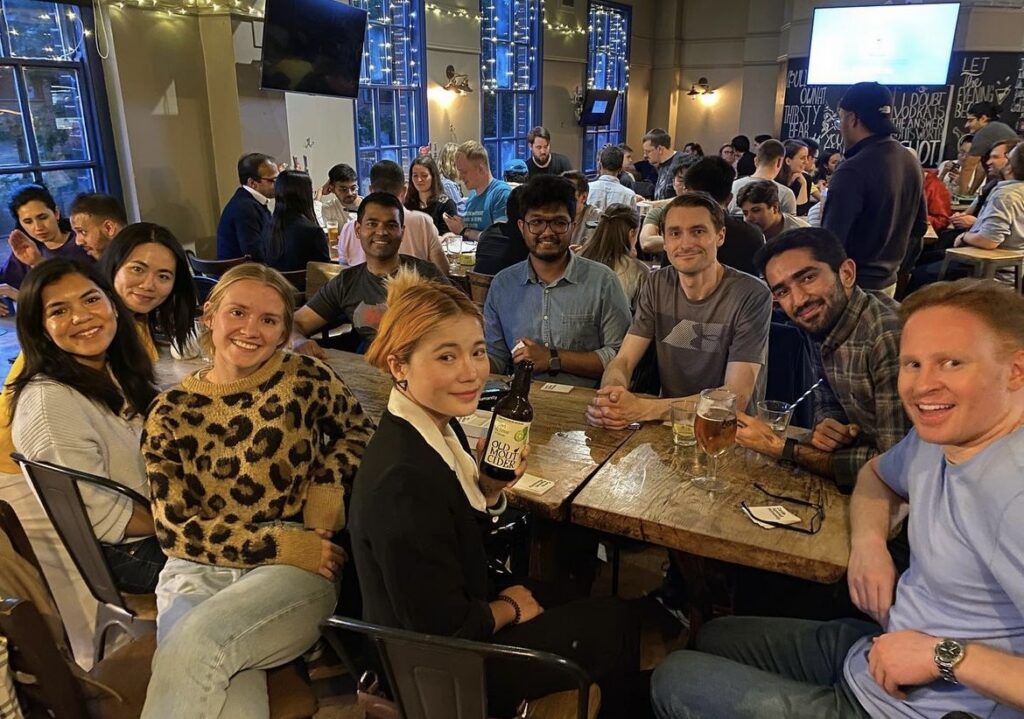
What can communities like MAN v FAT and organisations like The Great Friendship Project do to help bring people back together—and what impact can that have?
I think the most important thing is providing regular spaces for people to connect.
That’s one of the most valuable things any organisation can do – whether it’s a charity, a workplace, a local community group or even the government.
Friendships need somewhere to form. There’s been a lot of discussion about the loss of “third spaces” – places outside the home and workplace where people can simply spend time together. You can’t manufacture friendship, but you can create the conditions that allow it to develop.
That means providing dedicated spaces where men can meet people at a similar stage of life, who might be experiencing some of the same challenges.
Regularity is a really important part of that. People need the chance to come back, recognise familiar faces and gradually begin to feel part of a community. Over time, that creates a sense of belonging—and that’s when friendships can start to form naturally.
MAN v FAT is already doing that incredibly well. So part of the answer is simply continuing to provide those consistent opportunities for men to come together.
But the next step is creating a culture in which men feel safe enough to be vulnerable with one another.
Getting people through the door is the first challenge, and building trust takes time. But once that trust begins to form, there also needs to be room for greater emotional closeness—for men to move beyond surface-level conversations and feel able to talk honestly about what’s happening in their lives.
That means modelling openness and creating environments where vulnerability is accepted rather than judged.
It also means looking carefully at some of the barriers that can get in the way. Banter is a big part of male friendship and can be a really positive way of creating connection. But it can also have a corrosive effect if people begin to feel that anything personal they share might be laughed at or used against them later.
The worst outcome is for someone to find the courage to share their deepest fears or struggles, only to be met with ridicule. Once that happens, they may not feel safe opening up again.
So organisations need to look carefully at the cultures they’re creating. Are they helping men develop deeper, more open and more supportive relationships – or are there aspects of the environment that might be preventing that?
Ultimately, the impact goes beyond simply giving people something to do. These spaces can give men a sense of belonging, help them build trusted friendships and create the support networks they need when life becomes difficult.
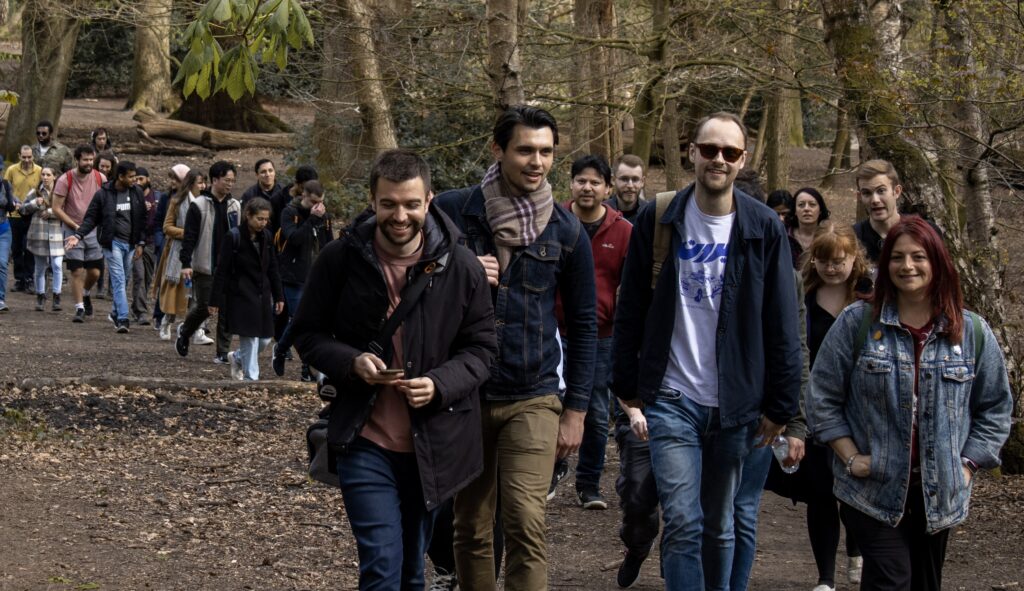
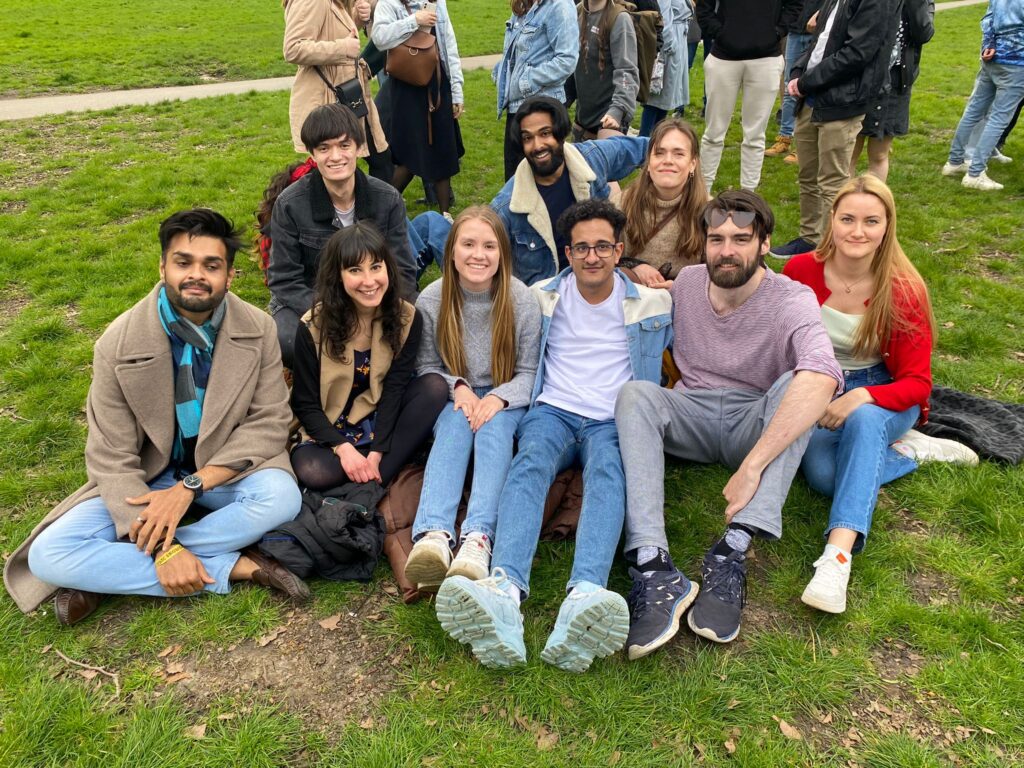
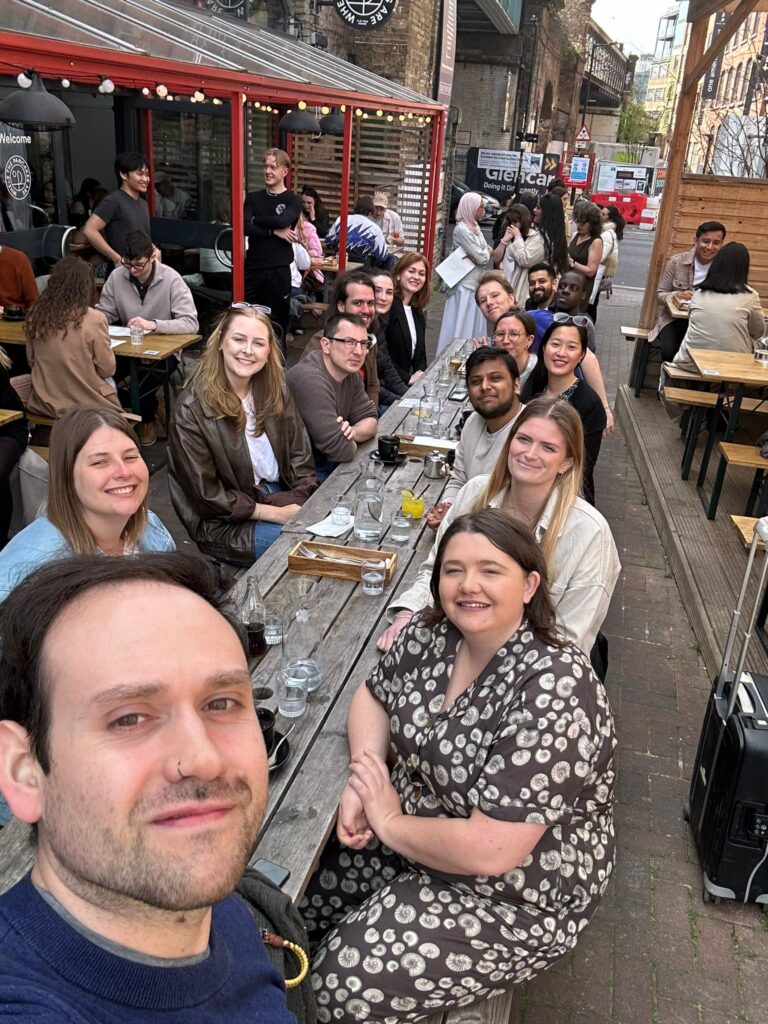
In your recent report, you called for coordinated national action. How crucial will that be to solving the problems we’re facing?
I think that’s exactly the challenge. There are hundreds of organisations across the UK doing really important work to address loneliness – from run clubs and community cafés to local charities, faith organisations and grassroots groups.
There are so many examples of brilliant work happening. But the problem is that a lot of it happens in isolation, without the coordination or wider support needed to create change on a national scale.
At a government level, very little policy change has actually been implemented around loneliness. Back in 2018, the UK became the first country in the world to publish a loneliness strategy. In many ways, we were a global leader in this area.
During COVID, understandably, that agenda was pushed down the list of priorities as the government faced an unprecedented crisis. But in the years since, loneliness has never really been re-established as a national priority and I think we’ve lost some of that early leadership.
Government has a vital role to play because it can influence many of the conditions that shape our relationships.
It can set expectations for employers, look at whether our education system is preparing young people to build and maintain healthy relationships, and provide better support through major life transitions – whether that’s leaving education, starting work, moving to a new place, becoming a parent or retiring.
It’s uniquely placed to make a difference across all of those areas. But, at the moment, the government’s work on loneliness feels fragmented and lacks an overarching sense of direction.
That fragmentation also exists across the wider sector. There still isn’t enough coordination between organisations, and too much of the work happens in silos. As a result, we’re not always joining up or building on all the great work that’s already taking place.
So, for us, coordinated national action means bringing government, employers, local authorities, community organisations and the wider third sector together around a shared strategy.
No single organisation can solve loneliness on its own. But if we can connect the work that’s already happening, learn from what works and combine it with meaningful government action, we have a much stronger chance of addressing the problem at the scale required.
Want to know more?
If you want to find out more about The Great Friendship Project and their work, you can visit their website.
And, if you think that MAN v FAT is the community that you’ve been seeking, we offer Football, Rugby and Soccer with some incredible groups around the UK and USA.